To: David Crisafulli, Brent Mickelberg, Dan Purdie
Stop Hidden Police Cars Catching Queenslanders Out
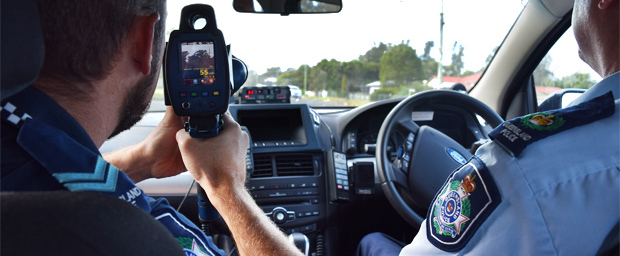
How many Queenslanders have had the same experience: driving past an undercover Traffic Branch van or hidden police car tucked off the side of the road, only realising it was there once it is already too late?
That is the problem. It does not feel like road safety. It feels like being caught out.
We are calling on Brent Mickelberg, Minister for Transport and Main Roads, Dan Purdie, Minister for Police and Emergency Services, and David Crisafulli, Premier of Queensland, to end hidden static speed enforcement and replace it with enforcement that actually makes drivers slow down before the danger happens.
Police should still pull over reckless drivers. Dangerous speeding should still have consequences. But parked police vehicles and traffic vans should not be hidden in places where they do nothing to warn drivers, slow traffic, or reduce risk in the moment.
Too many drivers know the feeling of coming off a faster road into a lower speed zone — like a highway dropping quickly from 90 to 60 near a town — only to find a police car waiting just after the change. In that situation, the safer answer is obvious: clearer signs, better warnings, and visible enforcement before the speed change catches people out.
If a road is dangerous enough to enforce, it is dangerous enough to make drivers aware of it.
That is why cameras and signage are a better model. A speed camera with clear signage tells drivers: slow down here, this area matters. It works before the offence happens. It reminds people to check their speed near schools, roadworks, intersections, dangerous roads, and crash-prone areas. That is prevention.
A hidden police van does the opposite. It waits until after someone has already sped through the area, then sends the punishment afterwards. By then, the dangerous moment has already happened. No one slowed down. No one was warned. The risk was not reduced.
We want Queensland to introduce a clear rule: static speed enforcement should be visible, signed where practical, and used in locations where it will actually make roads safer.
Brent Mickelberg should lead the transport side by expanding visible cameras, warning signs, and clear high-risk enforcement zones. Dan Purdie should lead the police side by changing enforcement rules so hidden static operations are not treated as normal road safety. David Crisafulli should back this as part of making Queensland safer.
The Premier has spoken strongly about consequences and community safety through policies like Adult Crime, Adult Time. This campaign follows the same basic idea: safety should be real, not just a fine after the fact. Queenslanders do not just want punishment once the danger is over. We want systems that stop the danger before someone gets hurt.
This is not about helping people get away with speeding. It is about making speed enforcement fairer, more visible, and more useful. Queenslanders deserve roads that are safer, not a system that feels like it is waiting for them to fail.
Why is this important?
Queenslanders deserve road safety measures that actually protect people, not systems that feel designed to catch them out.
Every driver understands that speeding can be dangerous. But the goal should be to make people slow down before something goes wrong — not hide on the side of the road and wait until after the risk has already happened. We are sick of having our tax dollars set to catch us out rather than make our roads safer.
Visible police, clear signs, and properly placed cameras remind drivers to do the right thing in the moment. That protects families, young drivers, workers, school kids, and everyone sharing our roads.
This campaign matters because road safety should be about prevention, fairness, and trust. Queenslanders should support a system that helps people drive safer — not one that feels like revenue raising in disguise.