-
Make NSW Environment Line a 7-day, extended hour service with adequate compliance staffIllegal land clearing is a common and widespread problem driven by different factors including attempts to remove biodiversity constraints to property values and development plans; ideological objections to laws and policies that constrain a land holder's ability to clear native vegetation; attempts to reinstate or create desirable outlooks from properties (these can dramatically increase property prices); seeking to profit from making land more suitable to grazing or cropping; concern about bushfire risks; illegal timber harvesting; desire to tame bushland to create a landscape that the owner considers more appropriate; and all too often, ignorance of how the law applies to particular vegetation and properties. A better reporting and response process can reduce the incidence and extent of illegal harm to biodiversity values, whether done in ignorance or not.19 of 100 SignaturesCreated by Steve Douglas
-
 HAB TRANSPARENCY PLEDGESouth Australians deserve the truth about our rivers, coasts, and communities. Harmful algal blooms (HABs) are a growing crisis — but decisions are being made behind closed doors, with science suppressed and data withheld. The HAB Transparency Pledge is a simple tool: It asks every candidate in the upcoming state election to commit to full, timely, and publicly accessible transparency. That means releasing the evidence, the advice, and the decisions — without political interference. This isn’t partisan. It’s public accountability. If they want our votes, they can sign the pledge. Let’s make transparency the minimum standard. Ask your candidate to sign. Share the pledge. Hold them to it.44 of 100 SignaturesCreated by Ant Hughes
 -
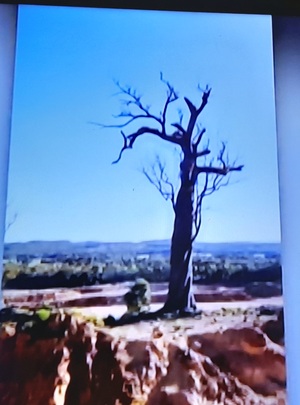 TRANSITION ALCOA OUT-TAKE YOUR TOXIC PONDS WITH YOU -SAVE OUR REMAINING NJFBorn in Yarloop Hospital, in the 1950s, first generation Australian from parents, fleeing war torn Europe. The hospital burned down in the 2016 bush fires that swept across the Darling scarpe and my family members only narrowly managed to save their farm house in the Wagerup hills. I lived on a farm next door as toddler, waking up to the screeches of abundant red tailed black cockatoos, in the tall tree tops of a pristine forest. Today the only farm left in those beloved hills is surrounded by bare scorched earth and kilometres of rubber belts carrying the soul earth of our jarrah to the crushing plants. Black cockatoos are so displaced, with loss of natural food sources and nesting trees in their native forest that they are now forced to invade suburbia, stripping what ever tree berries and nuts they can find, just to try and get some sustenance, to survive another day. I see them in my Liquid amber tree scrounging for its meagre berries, and it breaks my heart. How cruel can our political leaders and Environmental Ministers be ? Mistreating a domestic pet is punishable by law. But they turn a blind eye to Corporate greed, extinction of species and mass destruction of biodiversity. As a teenager, I lived in Waroona when Dwellingup went up in flames. I spent many weekends and school holidays in those Northern Jarrah Forests and my uncles farms. When I had kids, we went camping on the Murray river up in Dwellingup. Now they plan to extend the destruction. Strip mining through a European War memorial. We may need jobs , revenue and aluminium - although easily substituted. But we need fresh air, fresh water and biodiversity even more -to survive.10 of 100 SignaturesCreated by ilario (Laurie) Maiolo
 -
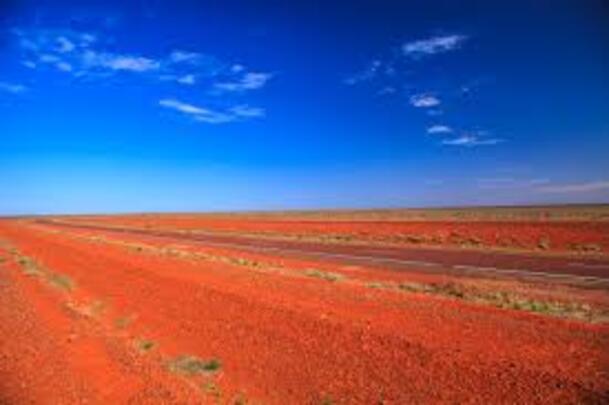 Fix the Stuarttoo many people are being put at risk on the Stuart Highway every day. This highway is a major route through Australia, connecting remote towns and many Indigenous communities, but long distances, fatigue, high speeds and limited services make it dangerous. Families rely on this road for school, work, health care and visiting loved ones, so it should be as safe as possible. By raising money and awareness, we hope to support improvements that will reduce crashes, protect communities, and ensure everyone can travel safely and confidently.3 of 100 SignaturesCreated by Taranveer Dhaliwal
 -
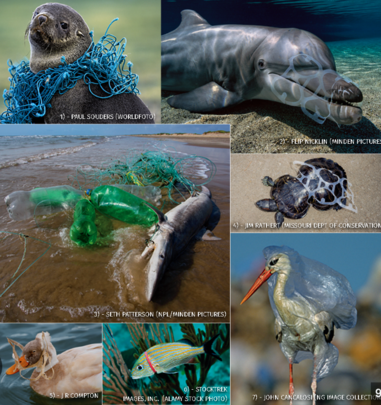 protect our animals, not our plasticbecause if you dont in the next 10 year more than half of the worlds animals will go extinct we have to take action or the loss will be devastating6 of 100 SignaturesCreated by swara here
 -
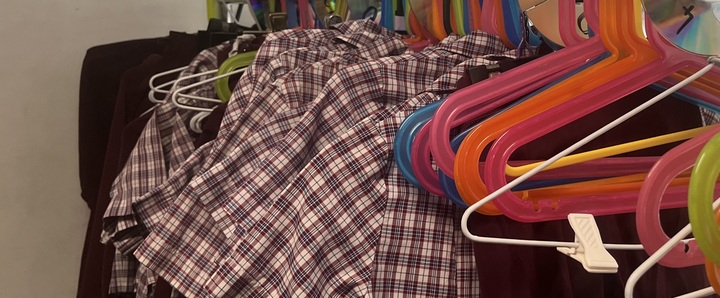 Textile Recycling for School UniformsEvery year, millions of Australian school uniforms end up in landfill. Kids grow fast. Knees wear through. Zips are used as fidget toys. Uniforms that still contain valuable cotton and polyester are thrown away because there’s no easy way to recycle them. This is a solvable problem. Textile recycling is growing in Australia. Responsible retailers now offer recycling. Why don’t uniform shops? The school is a convenient drop off point. Uniform shops have existing supply chains. That puts them in the great position to close the loop. Across Australia, families want to do the right thing — but without take-back schemes or recycling options, uniforms are destined for the bin. Meanwhile, textile waste is one of the fastest-growing waste streams in the country. It;s time school uniform manufacturers to step up and take responsibility for the full life cycle of their products. Being responsible for the waste will also encourage them to design with durability and recyclability in mind. If we can recycle cans, bottles, phones, and tyres — we can recycle school uniforms. Our kids deserve a future that isn’t buried under yesterday’s uniforms.39 of 100 SignaturesCreated by Kate Patterson
 -
Let's ban "forever chemicals"The effects of these chemicals are widely unknown, with only certain chemicals having been studied. They are used in all sorts of products, including children's toys. The US Environmental Protection Agency (EPA) said children might be more sensitive to the harmful effects of chemicals like PFAS as they were still developing. In the EU, in addition to the PFAS class ban, authorities are also in the process of adopting new safety regulations that include bans on PFAS and other harmful chemicals, specifically in toys. Australia needs to join the rest of the world in taking a precautionary approach, rather than responding to confirmed toxicity once a single chemical is studied. We should be banning this entire class of chemicals until it can be proven that some (if any) are safe for use in consumer products.19 of 100 SignaturesCreated by GetUp
-
Save Wandi WalkThe public are being denied use of an attractive track beside Morse's Creek.4 of 100 SignaturesCreated by Brian Littlechild