-
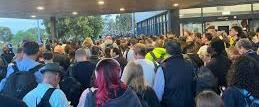 Geelong to Melbourne transport. We draw the line at V/Line.This matters because the Geelong to Melbourne train line is more than just a transport service. It is how people get to work. It is how students get to school, TAFE and university. It is how people get to medical appointments. It is how parents get home to their children. It is how communities like Geelong, Lara, Wyndham Vale and Tarneit stay connected. When there is no clear backup plan, a delay can quickly become a major problem. A short trip can turn into hours of waiting. People can be left stranded at stations with little information and no clear way home. This has a real cost. People lose work time. Families lose time together. Students miss learning. Patients miss appointments. Businesses lose staff hours. Roads become busier as more people feel forced to drive. Public transport should give people confidence. It should help people choose trains over cars. But when the system does not have a strong backup plan, people lose trust. A growing region needs a transport system that can handle problems when they happen. Good contingency planning is not optional. It is part of running a safe, fair and reliable public transport network.186 of 200 SignaturesCreated by Geelong Needs Action
 -
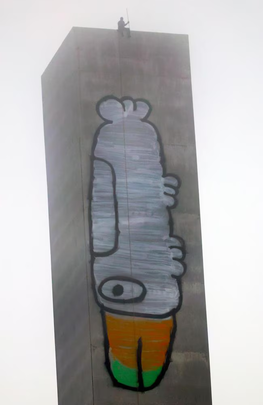 Petition to Preserve "Pam the Bird" on the Bolte BridgeThis petition isn't about encouraging illegal graffiti or suggesting every tag deserves protection. Quite the opposite. It's about recognising that, on very rare occasions, something captures the public imagination in a positive way. When that happens, perhaps the best response isn't to immediately paint over it, but to acknowledge that public art sometimes appears in unexpected ways. Keeping Pam would: • Preserve a piece of spontaneous urban culture that has resonated with thousands of Victorians. • Celebrate Melbourne's reputation as Australia's street art capital. • Save taxpayers the cost of immediately removing something that many people genuinely enjoy. • Add a little colour, humour and character to an otherwise ordinary stretch of concrete. • Demonstrate that governments can occasionally recognise when the public has spoken—and have a laugh with us. Cities all over the world are remembered for the little things that give them character. Melbourne shouldn't be afraid to embrace one of its newest accidental mascots. So let's leave Pam where she is. Not because she's perfect. Not because graffiti should always stay. But because every now and then, Australia deserves to keep something that's simply made people smile. Sign this petition if you believe Pam the Bird should remain on the Bolte Bridge as a unique and much-loved part of Melbourne's urban landscape. Don't scrub the bird. Let Pam fly.9,909 of 10,000 SignaturesCreated by Eric Giordmaina
 -
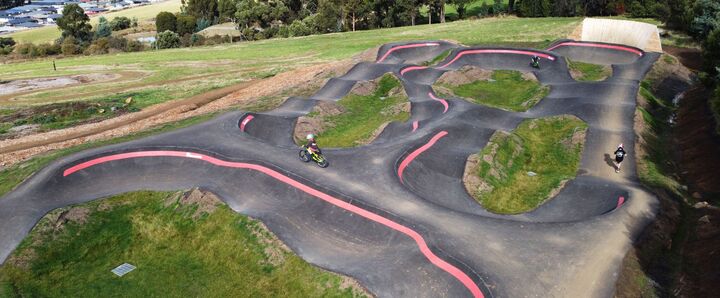 STOP the demolition of Kingston MTB Park and Dog Park.The community was NOT adequately consulted about this project. The Council has said there were no objections, but we know this is not the case. We love our MTB Park and Dog Park! We don't want to wait TWO YEARS for new ones, and we resent not being consulted!170 of 200 SignaturesCreated by Andrew McKay
 -
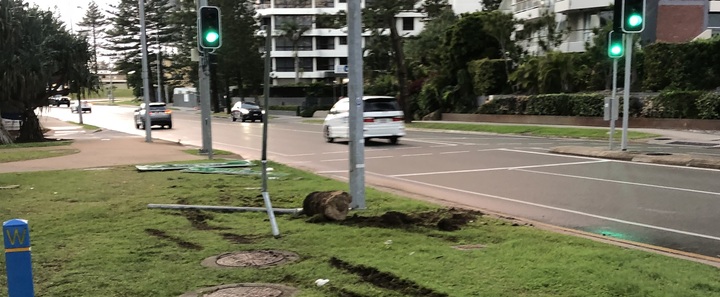 Waterways Drive an accident waiting to happen!The more support we obtain for reducing the speed limit to 40 kmh, from residents, vistors, traders in and around the area, the more likely the required changes will occur.30 of 100 SignaturesCreated by Bruce Doyle
 -
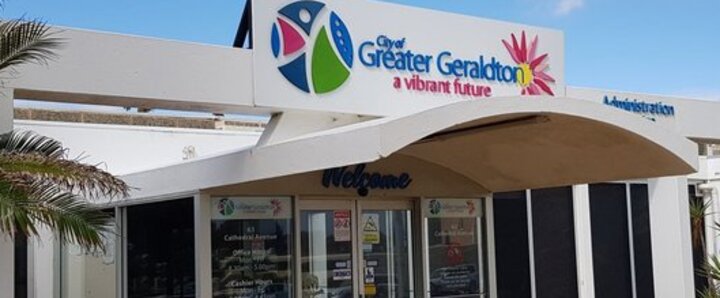 Geraldton city Stop the New Instalment Fees on Council RatesMany families, pensioners and hardworking people choose instalments because it's the most responsible way to manage their finances—not because they want special treatment. Penalising people for paying in a way that helps them cope with the cost of living is unfair.846 of 1,000 SignaturesCreated by daniel guppy
 -
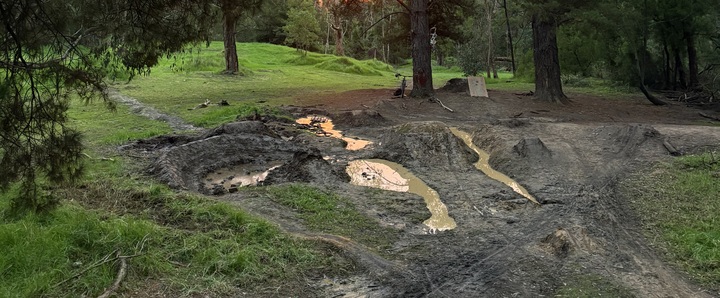 SAVE THE BRICKWORKSit creates a stronger community, gives young people a sense of purpose and provides a healthier lifestyle.770 of 800 SignaturesCreated by Owen H
 -
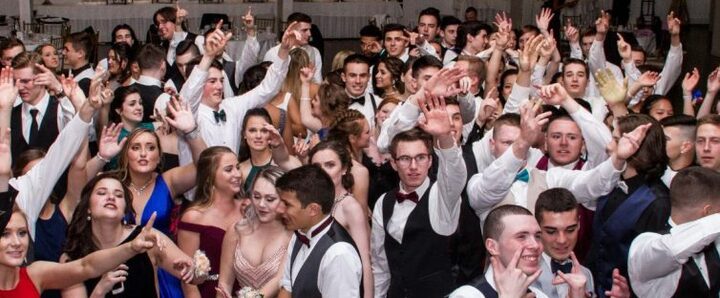 Formal At The End Of The YearOur formal is one of the biggest events of Year 12, and it should be a celebration at the end of the year after we've finished all our hard work. It's been an end-of-year tradition for years, and moving it back would make the night feel much more special. It also gives everyone more time to save money, organise outfits, and enjoy better weather. By signing this petition, you're showing that you want our formal to be the best it can be. The more people who support it, the more likely the school is to listen. Every signature counts, so if you want to keep this tradition going and make the formal a better experience for everyone, please join the campaign.4 of 100 SignaturesCreated by Bethany Manno
 -
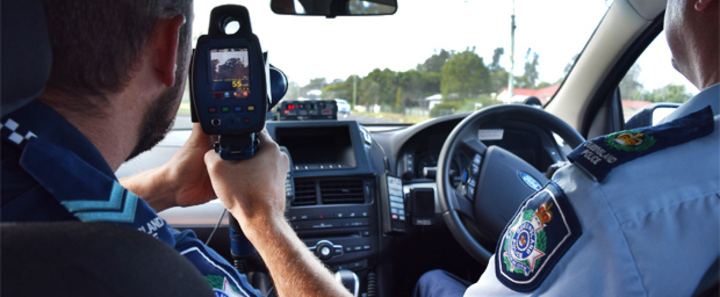 Stop Hidden Police Cars Catching Queenslanders OutQueenslanders deserve road safety measures that actually protect people, not systems that feel designed to catch them out. Every driver understands that speeding can be dangerous. But the goal should be to make people slow down before something goes wrong — not hide on the side of the road and wait until after the risk has already happened. We are sick of having our tax dollars set to catch us out rather than make our roads safer. Visible police, clear signs, and properly placed cameras remind drivers to do the right thing in the moment. That protects families, young drivers, workers, school kids, and everyone sharing our roads. This campaign matters because road safety should be about prevention, fairness, and trust. Queenslanders should support a system that helps people drive safer — not one that feels like revenue raising in disguise.2 of 100 SignaturesCreated by Queenslander Brisbane
 -
Keep Kids Safe: 35% Alcohol Easily Available on Supermarket ShelvesThere is a highly concerning growing trend of young kids & teens getting extremely drunk on Vanilla Essence, which is available on supermarket shelves & contains 35% alcohol, which is an extremely high level & potentially toxic. The bottles are small so kids can easily drink more than 1 bottle.3 of 100 SignaturesCreated by Gemma Blythe
-
 Let Football Unite, Without HarmWe should stop the killing of animals in Morocco for the 2030 World Cup because no sporting event should come at the cost of animal lives. Humane solutions such as vaccination, sterilization, shelters, and adoption programs can manage stray animal populations without cruelty. "Is football more important than those 4 million little souls?"2 of 100 SignaturesCreated by Lyvra Kim
 -
Demand For A Moratorium On All AI Data CentresWhilst people who might be more active on this front have been distracted by events overseas, the AI industry has crept up on us. We are aware that there will be serious impact on employment, especially at entry level, and there is potential for enormous disruption across our society, for which we are singularly unprepared. We rely on our governments to regulate such industries in our interests, but it’s becoming apparent that government has also been caught unprepared. This is why a Federal government declared Moratorium on all development is now essential. And we need people better informed and prepared to work harder in the public interests than those currently vetting its development.65 of 100 SignaturesCreated by Teri Merlyn
-
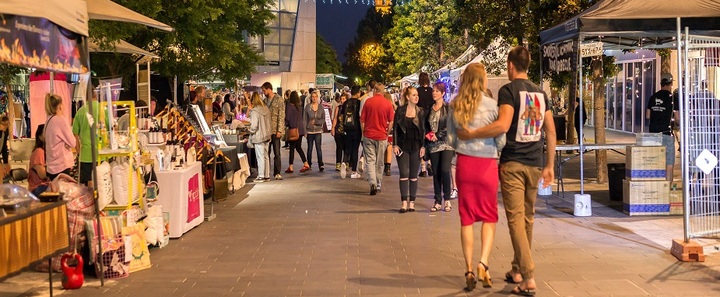 Keep the bendigo mall roadlessWe're losing one of the very few and far areas in bendigo where people are able to sit down and relax, enjoy a meal whilst their children are entertained by the play ground and live music that takes place every thursday. The monthly night markets will be stopped and people won't be able to share their passions and interests with others, so many small businesses effected by the lack of throught behind this action.3 of 100 SignaturesCreated by C D